Taj Mahal575-780 €/m2

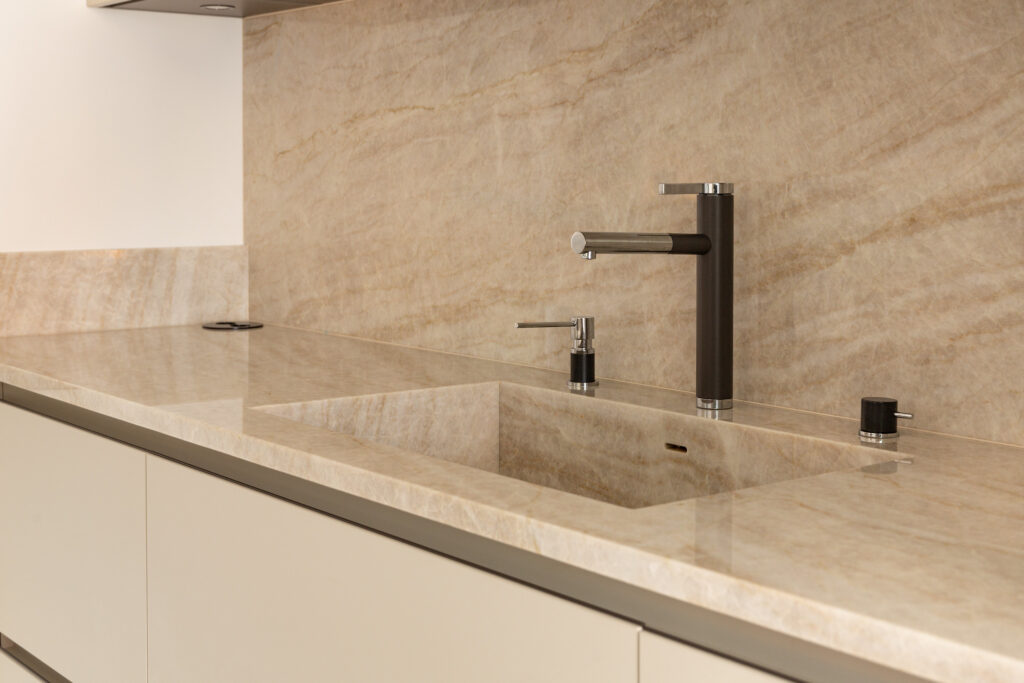
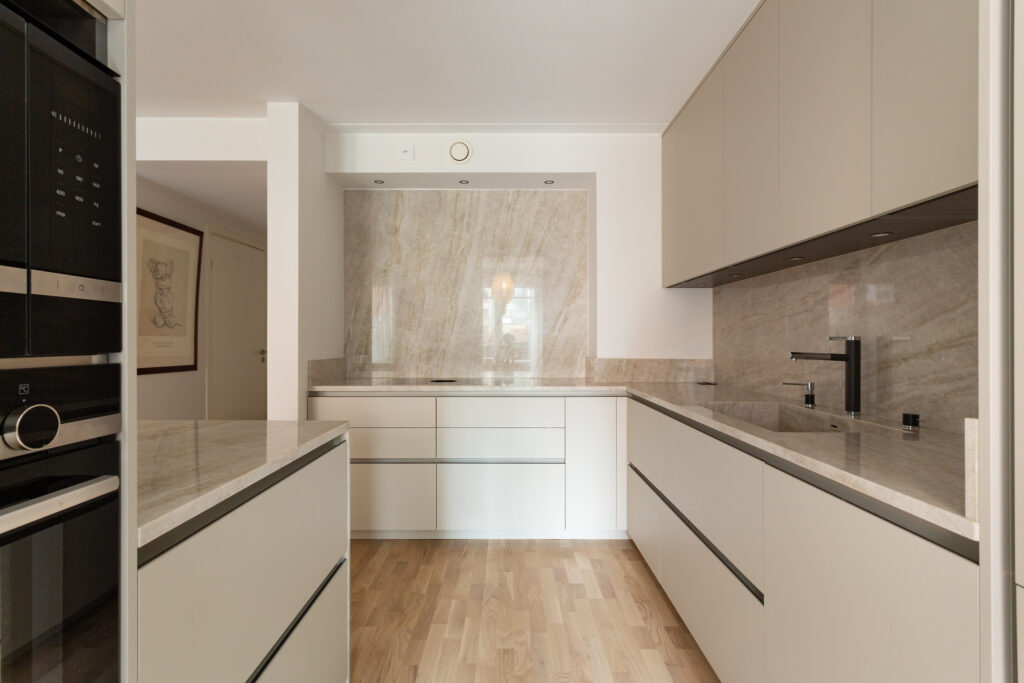
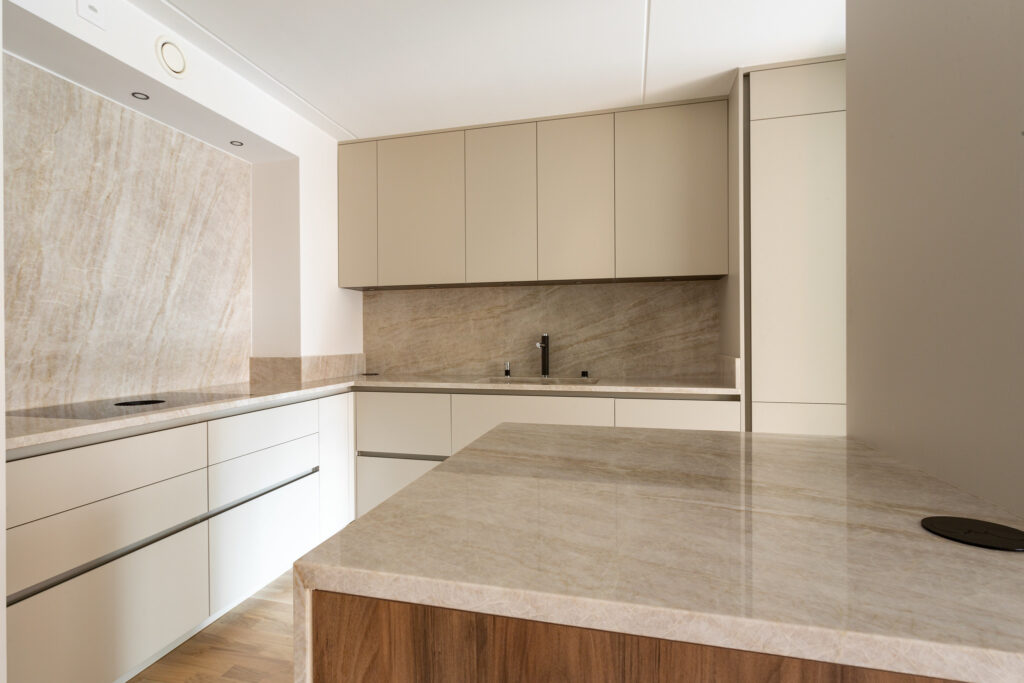
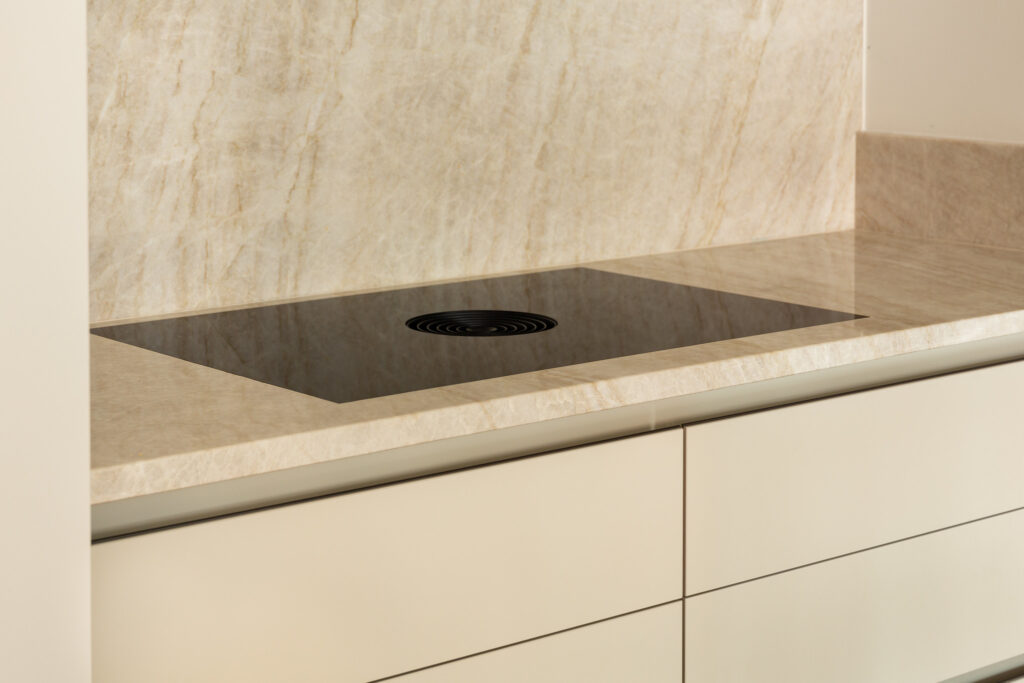
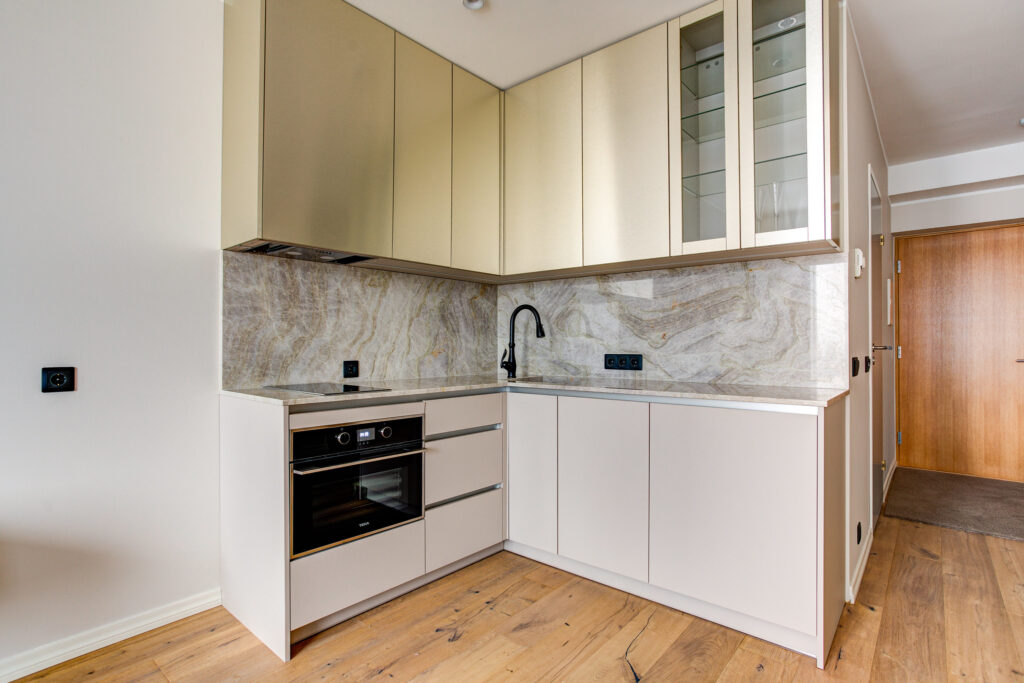
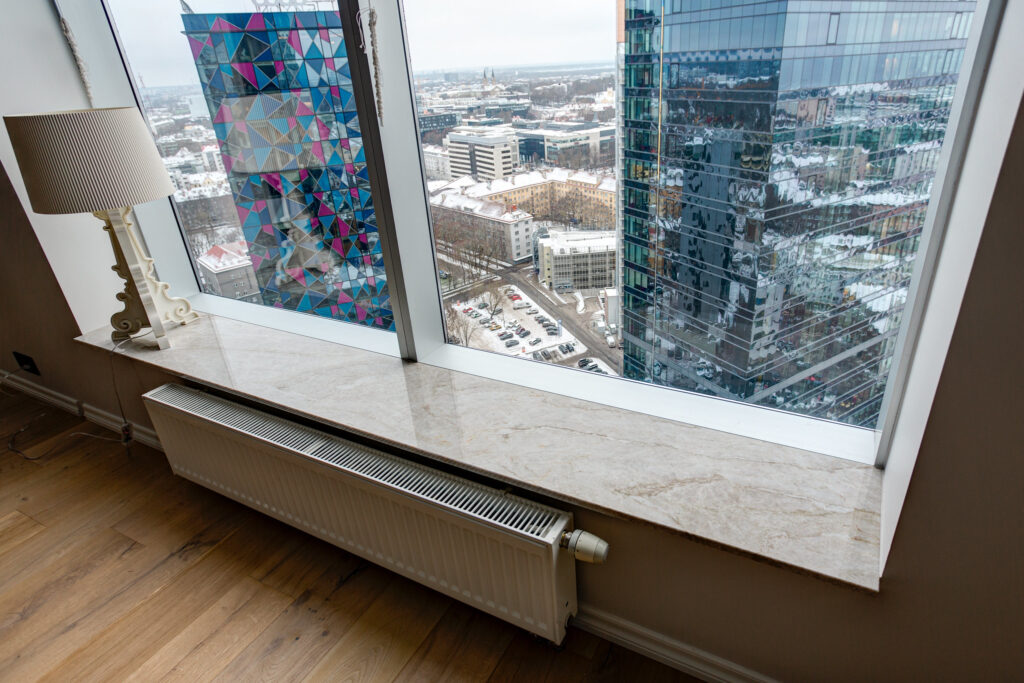
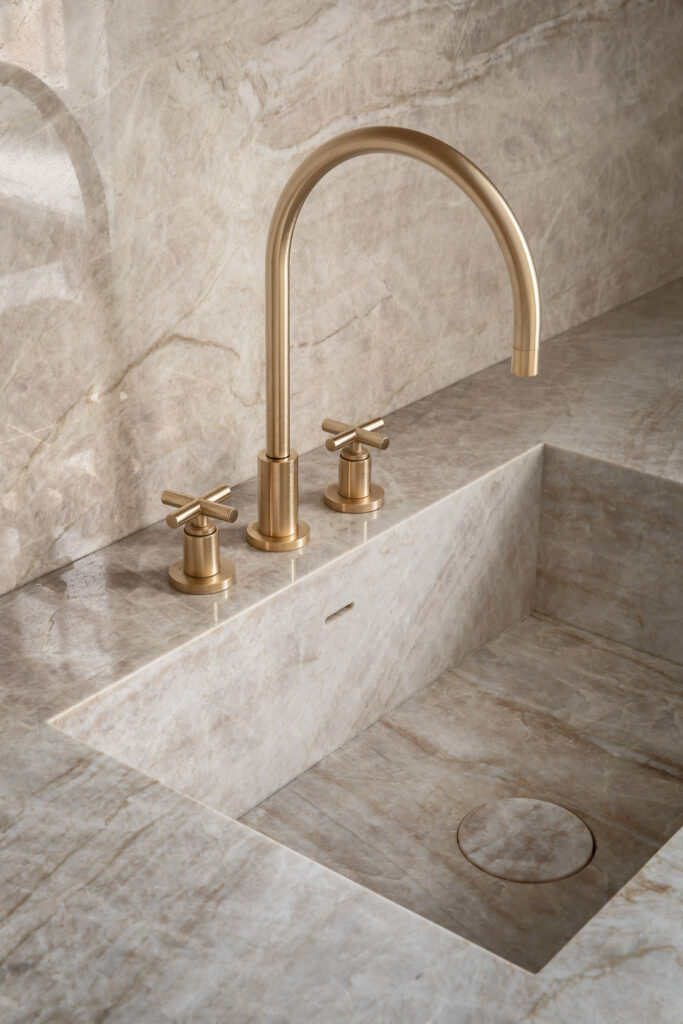
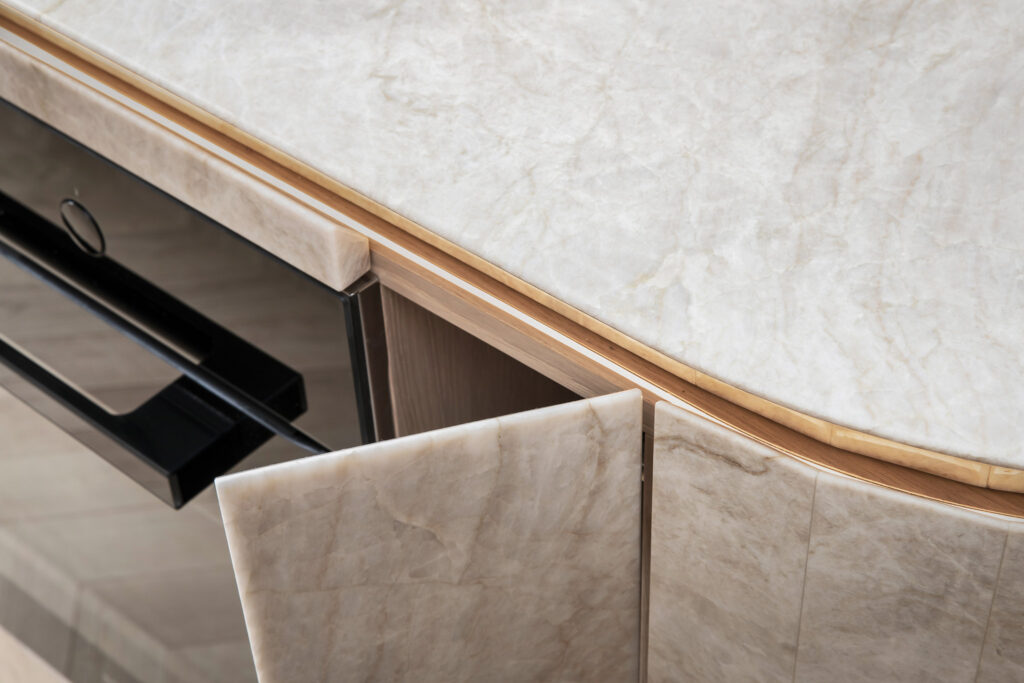
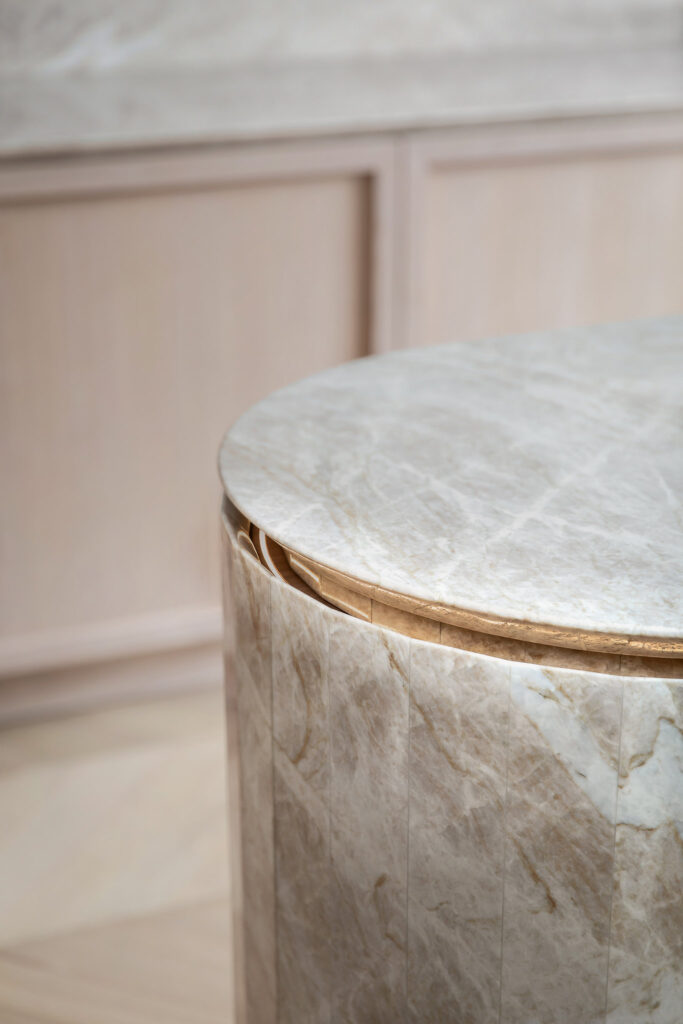
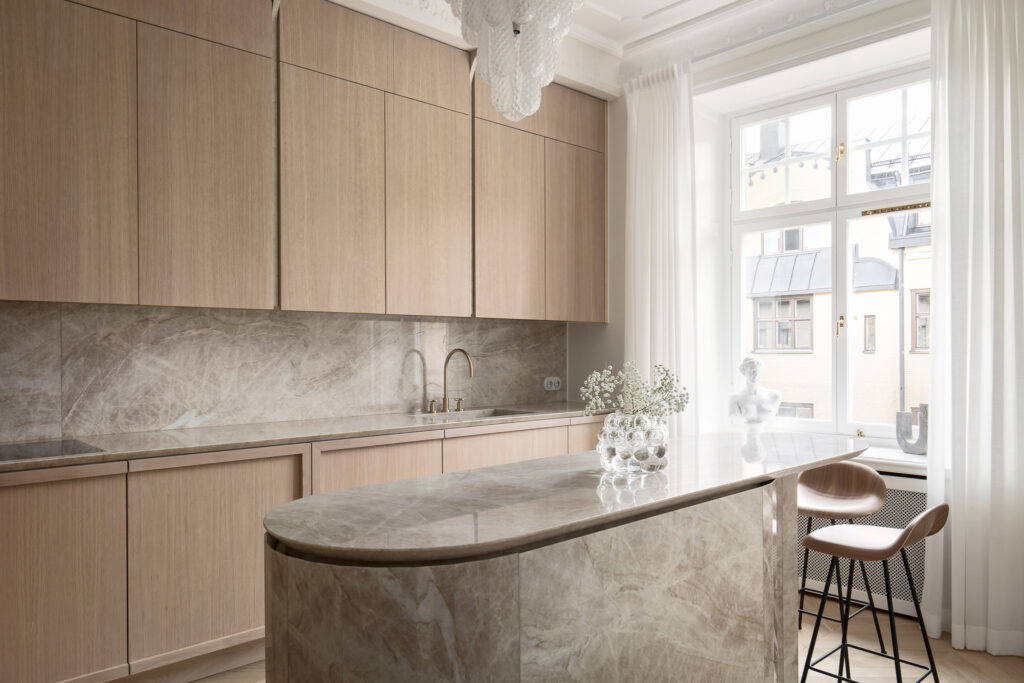
- Type
Quartzite - Category
Natural stones - Origin
Brazil - Size
300x180 cm depending on block size
Description
1. Natural Colour Variation
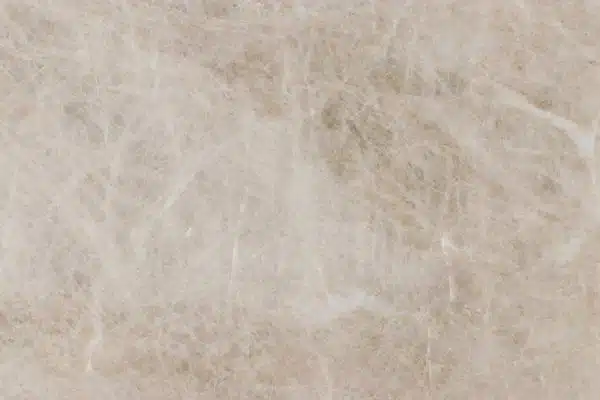
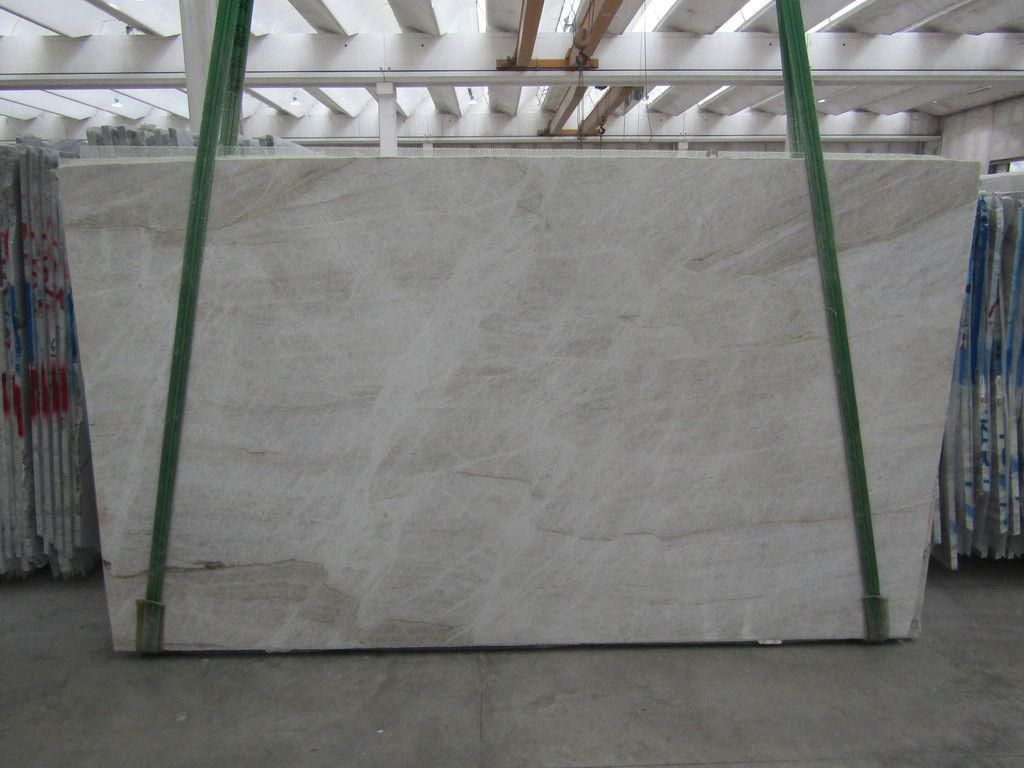
• Taj Mahal quartzite shows wide variation in colour between blocks and between slabs cut from the same block.
• Tones may range from pale cream to deeper beige or grey-brown.
• Photos cannot always capture true colour due to lighting, camera settings, and finish type (polished, honed, or leathered).
What this means for you:
The colour of the slab in a photograph may not exactly match the slab delivered unless viewed and approved in person.
2. Unique Veining & Movement
• Veining patterns vary significantly, even in consecutive slabs.
• Differences may occur in:
– Vein density
– Pattern flow or direction
– Presence or absence of diagonal or horizontal lines
• Once blocks are cut, new vein shifts may appear that were not visible on the surface.
What this means for you:
Your final countertop’s veining will be one-of-a-kind and may differ from samples or inspiration images.
3. Natural Micro-Fissures & Pits
• Taj Mahal often contains small mineral inclusions, pits, and micro-fissures created naturally during formation.
• These are not structural cracks and are common in quartzite.
• Some areas may be filled with resin during processing; depending on the light, these fills may be faintly visible.
What this means for you:
A perfectly flawless surface is not typical — subtle natural imperfections are part of the stone’s character.
4. Resin Treatments & Patch Visibility
• Many slabs are resin-treated at the quarry for stability.
• Resin-filled areas may show slight tonal differences or sheen variation.
• In wet locations such as sink surrounds, resin spots may become more visible over time.
What this means for you:
Resin fills are normal and do not indicate defects; they are part of standard stone processing.
5. Structural Variability Between Blocks
• Softer mineral layers
• Iron inclusions (which can oxidize)
• Sections more prone to chipping during cutting
What this means for you:
Premium Taj Mahal is chosen specifically to avoid structural issues — lower-priced material may contain more inconsistencies.
6. Sensitivity During Fabrication & Installation
• Hidden mineral changes inside a slab can make it behave unpredictably during cutting.
• Sink cutouts, edges, and long overhangs may require added reinforcement.
• Skilled fabrication is essential to prevent chipping or stress fractures.
What this means for you:
Choosing an experienced fabricator ensures the best results for this naturally variable material.
7. Market Differences in Quality & Pricing
• Block quality
• Colour uniformity
• Structural soundness
• Quantity of fissures or repairs
What this means for you:
Not all Taj Mahal slabs are equal — higher pricing typically reflects superior quality and fewer natural challenges.
Conclusion
Taj Mahal Quartzite is a stunning natural stone prized for its elegance and individuality.
Because it is a product of nature, each slab is truly unique. Expect:• Natural changes in colour and veining
• Visible resin repairs in some areas
• Minor pits, inclusions, and variations
• Differences between photos, samples, and final slabs
By understanding these characteristics upfront, clients can fully appreciate the beauty and authenticity that make Taj Mahal Quartzite such a distinctive and luxurious choice.
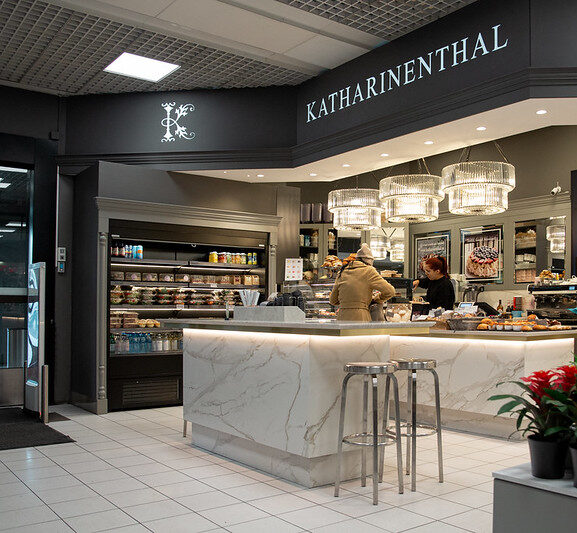
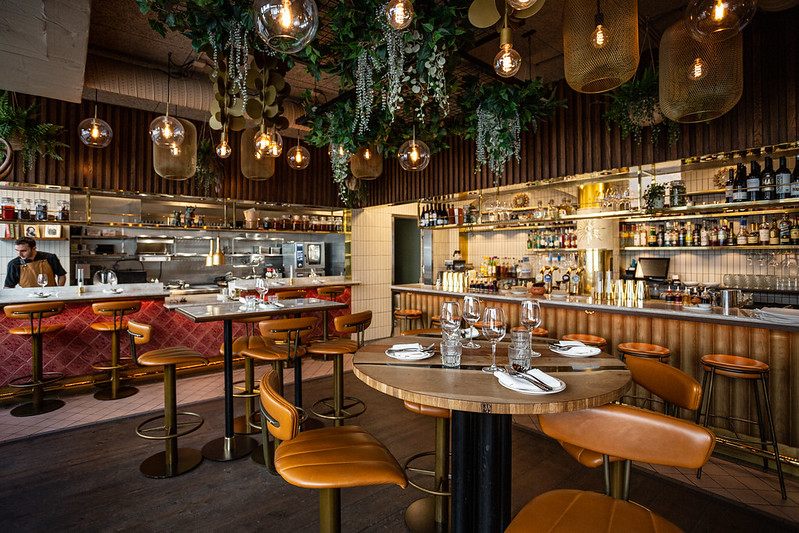
Our projects with this stone: https://www.flickr.com/photos/121299475@N07/albums/72177720310832840
Interested? Request a quote.


References
The same stone has been used in the projects below